Type beat, what a Gunna-style instrumental like "Professional" gives you
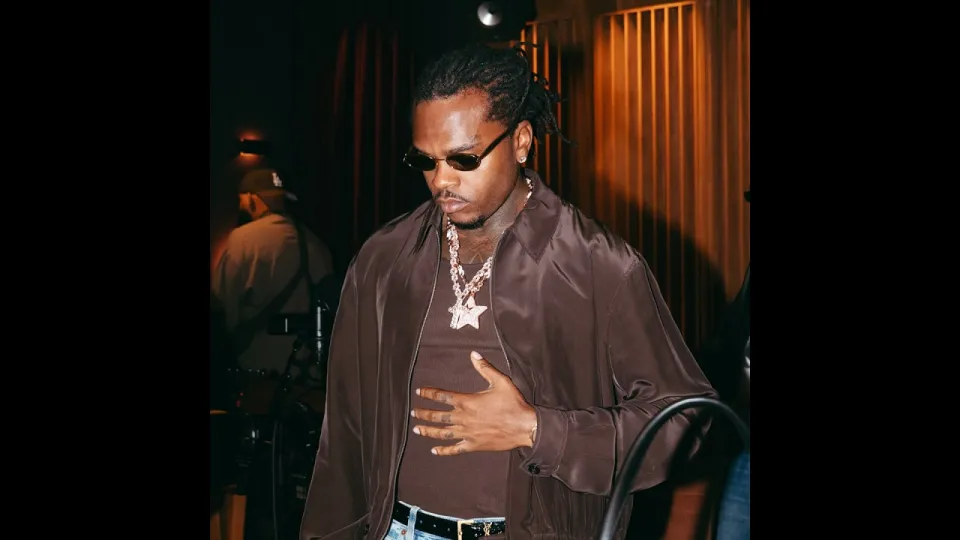
Video: [FREE] Gunna Type Beat - "Professional"
You can order the same kind of articles for your own video to boost it on YouTube and Google. Just message the Telegram bot @sat_sit_bot. The bot writes and publishes the articles itself (with your YouTube video embedded) on popular topical websites (no ads). Your first 50 articles are free.
· based on the channel MIG
A type beat is an original instrumental built to match the sound of a particular artist, so you can write and record your own song over it without copying an existing record. MIG's Gunna-style "Professional" is a 122 BPM, F# minor trap beat with a guitar-led, orchestral-leaning arrangement, and you can grab the untagged license at the MIG beat store.
What "type beat" means in practice
A type beat is a producer's original composition that borrows the tempo, mood, and instrumentation associated with a known artist, giving rappers a ready-made canvas in that style. It is not a remix, an instrumental leak, or a beat stolen from a major-label session; the producer writes the melody, drums, and arrangement from scratch and sells or shares it under a license. The artist's name in the title is a search tag, not a claim that the artist recorded on it. In the case of "Professional," the tag points to Gunna's melodic, guitar-heavy trap lane, but the beat itself is MIG's work and is protected by copyright like any other original song.
Type beats became a central part of online music production in the 2010s, when platforms like YouTube made it easy for unknown producers to reach rappers directly. Today the format is standardized: a producer uploads a beat with a free or lease option, tags the style in the title, and lists the BPM and key in the description. That metadata matters because it tells a vocalist whether the pocket fits their range and flow before they even press play. "Professional" lists 122 BPM and F# minor, which places it in a mid-tempo pocket that suits double-time hi-hat patterns and melodic, half-sung deliveries.
Inside the "Professional" beat: BPM, key, and arrangement
At 122 BPM in F# minor, "Professional" sits in a tempo zone where trap drums can feel either laid-back or urgent depending on how the hi-hats are programmed. The minor key gives the melody a dark, reflective color, which listeners in the comments picked up on immediately, describing the darkness of the melody and the crispness of the drums. The arrangement leans on guitar, a common thread in Gunna's recent catalog, layered with orchestral textures that push the beat toward a cinematic, almost soundtrack-like feel. One commenter summed it up as "orchestral trap," and that label fits: the low end carries the weight while the upper register stays open for a vocal to sit on top.
How to write and record over a Gunna-style beat
Start by mapping the beat's sections before you write a single line. Most trap instrumentals follow an intro, verse, hook, verse, hook, bridge structure, and "Professional" gives you clear drop points where the drums enter or pull back. Listen through twice with no pen: the first pass tells you where the energy peaks, the second tells you where the space is. Then decide on a flow pocket. At 122 BPM, a 16th-note hi-hat pattern leaves room for triplet flows and melodic runs, while a straighter pattern favors a more conversational delivery. Gunna's signature is a half-sung, almost conversational cadence with heavy ad-libs, so try writing eight-bar blocks and leaving the last two bars for a repeated phrase or ad-lib tag.
Recording-wise, the F# minor key means your vocal melody will resolve naturally to F# or C#. If you are not a trained singer, hum a melody first and then fit words to it; that approach tends to produce more memorable hooks than writing lyrics and forcing a melody afterward. Keep your vocal chain simple: a clean preamp, light compression, and a short plate reverb for the hook. The beat's orchestral layers already fill a lot of mid-range, so avoid stacking too many vocal doubles in the same frequency band.
Free download vs. untagged license: what you actually get
The free version of "Professional" is for non-profit purposes only and cannot be distributed through streaming services such as Spotify or Apple Music. That means you can use it for practice, demos, SoundCloud uploads that are not monetized, or social media clips, but you cannot release it commercially or collect royalties from it. The untagged license, available through the MIG beat store, removes the producer tag and grants the rights you need to release the song on streaming platforms and monetize it. The store also offers a discount when you add three beats to the cart, which is useful if you are building an EP or a project rather than a single.
Before you buy any license, read the terms: exclusive versus non-exclusive, streaming caps, and whether you can use the beat in videos or sync placements. A lease typically covers a set number of streams and sales, while an exclusive purchase transfers more rights and usually removes the beat from the store. If you are serious about a single, the untagged file is the version you want in your DAW, because the producer tag will otherwise sit right in the middle of your hook.
Common questions from listeners and producers
Viewers often ask whether a type beat can be used commercially, and the answer depends entirely on the license attached to that specific file. The free download of "Professional" is explicitly non-profit, so any monetized release requires the paid untagged version. Another frequent question is whether the beat will fit a certain flow; the BPM and key in the description are the fastest way to check, and 122 BPM in F# minor is flexible enough for melodic trap, drill-adjacent cadences, and even R&B-leaning vocals. Producers also ask about the drums: the crispness and hi-hat rolls that listeners praise come from tight sample selection and careful velocity programming rather than heavy processing. And if you are wondering whether the beat sounds too "dark" for a radio hook, remember that minor-key trap records regularly top the charts; the vocal melody and the hook writing do the balancing work.
Where to find more MIG beats
The main place to license MIG's catalog is the beat store at https://bsta.rs/lKzH8q, where "Professional" and other Gunna-style instrumentals are listed with their licenses and pricing. The producer also shares free versions on YouTube under the channel MIG, and you can follow @prod_mig on social media or reach out by email at migbeats.prod@gmail.com for custom work, collaborations, or licensing questions. If you like the guitar-driven, orchestral direction of "Professional," browsing the rest of the store will surface similar beats in adjacent tempos and keys, which helps when you are sequencing a multi-track project.
Final thoughts
"Professional" is a strong example of what a modern type beat does well: it states its style clearly, gives you the technical details up front, and leaves room for a vocalist to make it their own. The 122 BPM tempo and F# minor key are not arbitrary; they place the beat in a pocket that suits Gunna's melodic trap approach and the flows his fans expect. If you are ready to record, start with the free version to sketch your idea, then move to the untagged license at the MIG beat store before you release anything commercially. MIG's video breakdown and the store listing together give you everything you need to decide whether this beat fits your next single.
Key takeaways
- A type beat is an original instrumental made in the style of a specific artist, not a stolen or leaked song.
- "Professional" by MIG runs at 122 BPM in F# minor with a guitar-driven, orchestral trap arrangement.
- The free download is for non-profit use only and cannot be streamed on Spotify or Apple Music.
- An untagged license is available at https://bsta.rs/lKzH8q, with a discount when three beats are added to the cart.
Questions & answers
Can I use a type beat for free on Spotify?
Not with the free download. The free version of "Professional" is licensed for non-profit use only and is explicitly not cleared for streaming services like Spotify or Apple Music. To release on streaming platforms, you need the untagged license from the MIG beat store.
What does BPM and key mean for a type beat?
BPM is the tempo in beats per minute, and the key is the tonal center of the melody and chords. "Professional" is 122 BPM in F# minor, which tells you the rhythmic pocket and the notes your vocal melody will resolve to. Matching your flow and vocal range to those two values saves time in the booth.
Is a Gunna type beat the same as a Gunna song?
No. A type beat is an original instrumental made by a producer in the style associated with Gunna; it is not a Gunna recording and does not contain his vocals. The artist name in the title is a search tag, and the beat is owned by the producer, in this case MIG.
Why do people call this beat orchestral trap?
Because the arrangement combines trap drums and 808 bass with orchestral-style melodic layers and guitar. That mix of cinematic texture and hard low end is what listeners hear in "Professional," and it is a common direction in Gunna's recent production choices.
Source: [FREE] Gunna Type Beat - "Professional" · Markdown version